Mohs Surgery in the UK – Fellowship-Trained Specialist Care
Looking for Mohs surgery in the UK? Dr Arif Aslam is Lancashire’s only fellowship-trained Mohs micrographic surgeon, providing swift access to expert skin cancer treatment. With internationally recognised qualifications and clinics across Lancashire, Dr Arif Aslam delivers cutting-edge care with personalised attention.


Worried About Skin Cancer? Get Checked by a Specialist.
Why Choose Our Mohs Clinic in Lancashire?
- Fellowship-trained in Mohs micrographic surgery
- Among the few UK dermatologists with dual fellowship accreditation
- Rapid-access clinics – seen within 5 days of referral
- Multidisciplinary care for skin cancer diagnosis and treatment
- Trusted by GPs, dermatologists, and patients across the UK
What Is Mohs Micrographic Surgery?
Early Skin Cancer Detection Matters


Basal Cell Carcinoma (BCC)
Basal cell carcinoma (BCC) accounts for about 70% of non-melanoma skin cancers and begins in the basal cells located in the lowest layer of the epidermis, the outer layer of the skin. It most commonly develops on sun-exposed areas, such as the head, face, neck, shoulders, scalp and back.

Squamous Cell Carcinoma (SCC)
Squamous cell carcinoma (SCC) accounts for about 30% of non-melanoma skin cancers and begins in the upper layers of the epidermis. It typically appears on areas with high sun exposure, such as the head, neck, hands, forearms and lower legs, but it can occur anywhere, including the genitals.

Melanoma
Melanoma is a form of cancer that develops in pigment-producing cells called melanocytes. It is the most serious form of skin cancer and can grow quickly if left untreated. Melanoma can spread from the outer skin (epidermis) into the deeper layer (dermis), then enter the lymphatic system or bloodstream, spreading to other parts of the body such as the lungs, liver, brain or bones.
Surgery & Skin Cancer Treatments
Specialising in Mohs surgery for skin cancer and a broad range of dermatological treatments, Dr Arif Aslam tailors each care plan to the patient’s individual needs. Treatments are delivered with precision, compassion, and current medical expertise.
Learn More About Mohs Surgery
Mohs micrographic surgery, commonly known as Mohs surgery, is named after Dr Frederic Mohs, who first developed the technique over 80 years ago. It has since been refined to become a highly safe and effective treatment for skin cancer. During Mohs surgery, Dr Arif Aslam acts as both surgeon and pathologist, examining the skin microscopically to ensure all cancerous tissue is completely removed.
There are several treatments for skin cancer besides Mohs surgery. These include curettage and electrodessication (often called ‘scrape and burn’), cryotherapy (freezing), radiotherapy, standard excision, and topical creams. In some cases, these may be appropriate; however, none have the high cure rate of Mohs surgery because they do not involve microscopic examination to confirm complete cancer removal.
A referral for Mohs micrographic surgery is usually made by a dermatologist or general practitioner after a biopsy confirms the skin cancer diagnosis. For further information or to arrange an appointment with Dr Arif Aslam, please get in touch.
Accreditations & memberships
Why Patients Choose Dr Arif Aslam
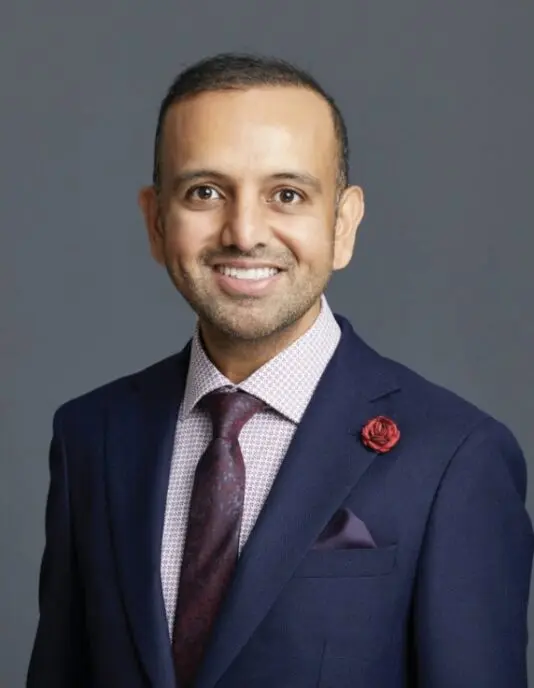

Patient care and cutting-edge treatments are paramount to my work as a Consultant Dermatologist. I’m always striving for the best outcomes for every patient.
Dermatological Surgeon and Mohs Micrographic Surgeon, Honorary Senior Lecturer
MBChB, MRCP (UK), MRCGP, MRCP (Derm), FRACP, FACD, FACMS
Patients value an approach that combines specialist skill with a genuinely supportive experience. Dr Aslam’s focus on early diagnosis, precision-based procedures, and natural-looking reconstruction ensures both clinical and cosmetic outcomes are prioritised. This is particularly important for facial BCC, nasal BCC, and other forms of facial skin cancer where tissue preservation matters.
The clinic’s environment is designed to be calm and professional, with clear communication at every stage - helping patients feel reassured, informed, and in control of their care.
